
Medihoney Wound Dressing: A Smarter, Kinder Alternative to Traditional Gauze
May 12, 2025 |
Clyde
When it comes to treating wounds, the dressing you choose can make a big difference in how well—and how fast—it heals. While traditional gauze has been the go-to for years, there’s a new player on the scene that’s winning over both doctors and patients alike: Medihoney Wound Dressing. Backed by nature and science, Medihoney offers some serious upgrades over old-school gauze. Let’s dive into why it’s quickly becoming a favorite in modern wound care.
The Problem with Traditional Gauze
Gauze is everywhere—hospitals, first aid kits, your bathroom drawer—and there’s a reason for that. It’s cheap, easy to use, and gets the job done in a pinch. But it’s far from perfect:
- Ouch factor: Gauze often sticks to wounds, making dressing changes painful and potentially damaging healing tissue.
- Infection risk: Its open weave doesn’t do much to keep bacteria out.
- No healing boost: Gauze doesn’t help the wound heal faster or stay moist, which are key for recovery.
- Frequent changes: You have to change it a lot, which means more discomfort and more work for caregivers.
Medihoney: Nature Meets Next-Level Healing
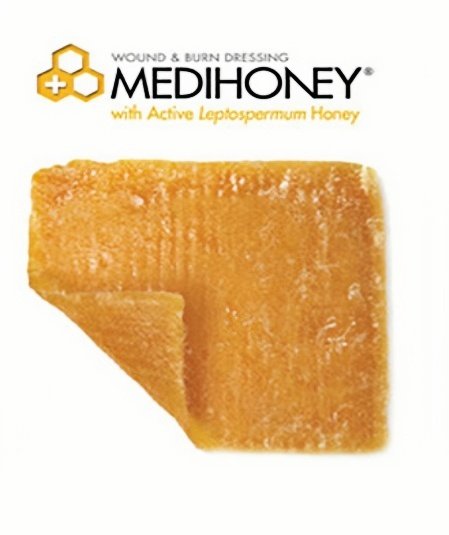
Medihoney Wound Dressing is made with Leptospermum (Manuka) honey, a special type of honey known for its powerful antimicrobial and healing properties. Here’s what makes it stand out:

Natural Antibacterial Defense
That honey isn’t just sweet—it’s smart. Medihoney creates a low-pH (acidic) environment that helps stop bacteria in their tracks, making it especially useful for wounds prone to infection, like diabetic foot ulcers and leg ulcers.
Keeps Things Moist (In a Good Way)
Unlike gauze, Medihoney keeps the wound moist, which is ideal for healing. A moist wound environment encourages new tissue to grow and helps everything knit back together faster and more smoothly.
Gentle Debridement
Medihoney naturally draws out fluids, debris, and dead tissue thanks to its high sugar content and osmotic action. That means it helps clean the wound without scrubbing or harsh chemicals.
Less Pain, More Comfort
Because Medihoney doesn’t stick to the wound like gauze, removing or changing the dressing is way less painful. That’s a big win for patient comfort—and for anyone who dreads dressing changes.
One Product, Many Uses
Medihoney is super versatile. It works well on all sorts of wounds, including:
- Diabetic foot ulcers
- Venous and arterial leg ulcers
- Burns (first and second degree)
- Surgical wounds
- Donor sites
- Traumatic wounds
What the Science Says
Medihoney isn’t just a trendy natural remedy—it’s supported by real research. Clinical studies have shown it can:
- Lower wound pH
- Speed up healing
- Help with debridement
- Reduce infection rates compared to traditional dressings
The PMC (PubMed Central)even highlights its effectiveness for chronic, hard-to-heal wounds.
What About Cost?
Yes, Medihoney might cost a bit more upfront than gauze. But when you consider fewer dressing changes, faster healing, and fewer infections, it often ends up saving time, money, and discomfort in the long run. Plus, since it’s made from natural ingredients, it’s a more eco-friendly option too.
How to Use Medihoney (It’s Easy!)
- Clean the wound: Rinse gently with sterile saline or a wound cleanser.
- Apply the honey: Spread a thin layer of Medihoney gel directly on the wound or onto a primary dressing like alginate.
- Cover it up: Use a non-stick secondary dressing to hold everything in place.
- Check and change as needed: Usually every 3 to 7 days, depending on how much fluid the wound produces. Always follow your healthcare provider’s instructions.
About Medihoney
If you’re looking for a more comfortable, effective, and natural approach to wound care, Medihoney Wound Dressing is a solid choice. It’s gentle, smart, and clinically proven to work better than traditional gauze in many cases. Whether you’re a healthcare professional or just managing wounds at home, Medihoney is a modern solution that puts healing—and comfort—first.
Posted in: Medicines / Skin Care Products
Comments are closed.