
Menu
AAC Block Plants: Cut Costs and Boost Production Efficiency
Dec 18, 2025 |
Clyde
Autoclaved Aerated Concrete (AAC) blocks have become a staple in modern construction, thanks to their lightweight, insulating, and eco-friendly properties. For manufacturers and construction businesses, the AAC block plant is not just a production facility—it’s a profit-driven engine that balances cost reduction and capacity enhancement. This blog breaks down how these plants deliver dual benefits for your bottom line.
1. Cost Reduction: Where AAC Block Plants Trim Unnecessary Expenses
The core of cost savings in an AAC block plant lies in raw material efficiency, energy optimization, and low maintenance requirements. Here’s how it works:
1.1 Low-cost, Abundant Raw Materials
AAC blocks are made from readily available ingredients: sand, cement, lime, water, and aluminum powder. Unlike traditional concrete blocks that rely on high-quality aggregates, AAC’s raw material sourcing is less expensive and geographically flexible. Most plants can source local sand and lime, eliminating hefty transportation costs for imported materials. Additionally, the production formula uses minimal cement compared to conventional concrete, further cutting down the biggest single material expense—making this type of building material production facility a cost-effective choice from the start.
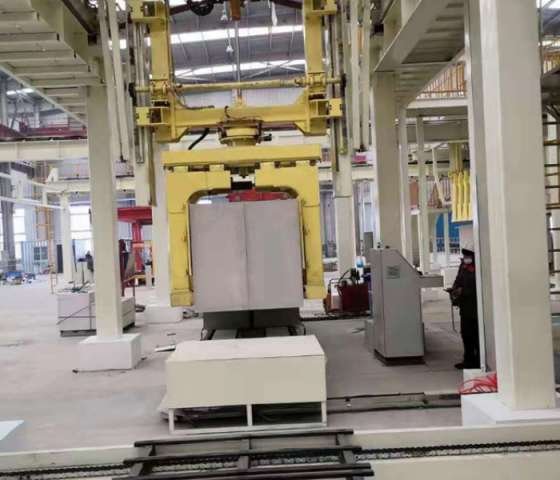
1.2 Energy-efficient Production Process
AAC production uses autoclaving—a high-pressure steam curing method—that reduces curing time from days (for traditional concrete) to just a few hours. This shortens the production cycle and slashes energy consumption by avoiding prolonged, energy-intensive drying processes. Modern AAC plants also integrate heat recovery systems, recycling waste heat from autoclaves to warm raw materials, lowering overall energy bills by 20–30% compared to traditional block manufacturing. For businesses evaluating upfront investments, understanding the typical investment for such production facilities is key to budgeting for long-term savings.
1.3 Minimal Waste & Low Maintenance
AAC production is a near-zero-waste process. Unused slurry and offcuts can be directly recycled back into the production line, eliminating waste disposal costs. Moreover, AAC plant machinery is designed for continuous operation with minimal wear and tear. Unlike heavy-duty equipment for traditional blocks, AAC plant components require less frequent replacement, reducing long-term maintenance and downtime costs.
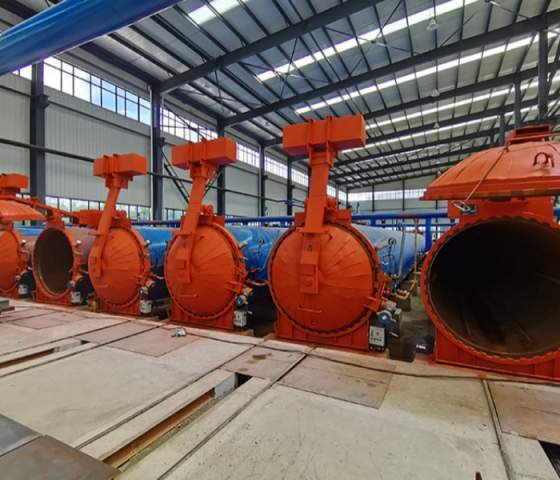
2. Capacity Boost: How AAC Block Plants Maximize Production Output
Higher production capacity without compromising quality is a key advantage of AAC block plants, driven by automated workflows and scalable design.
2.1 Fully Automated Production Lines
Modern AAC plants leverage PLC (Programmable Logic Controller) systems to automate batching, mixing, casting, cutting, and curing processes. Automation eliminates human error, ensures consistent product quality, and runs 24/7 with minimal supervision. A medium-sized automated AAC plant can produce 10,000–15,000 m³ of blocks per month—far exceeding the output of manual or semi-automated traditional block plants.
2.2 Scalable Plant Design
AAC block plants are highly modular, allowing businesses to expand capacity incrementally. Whether you start with a small-scale plant for local demand or scale up to a large facility for regional supply, you can add production modules (e.g., extra mixers, autoclaves) without overhauling the entire system. This scalability means you only invest in capacity when you need it, avoiding overcapitalization and maximizing ROI.
2.3 High Curing Efficiency
The autoclaving process is the game-changer for capacity. Traditional concrete blocks need 7–14 days of outdoor curing, which is subject to weather delays. AAC blocks cure in sealed autoclaves in 6–8 hours, regardless of external conditions. This consistent, fast curing cycle ensures a steady flow of finished products, enabling plants to meet tight delivery deadlines and handle high-volume orders with ease.
Final Thoughts
An AAC block plant is a smart investment for construction material businesses aiming to stay competitive. By cutting raw material, energy, and maintenance costs, while boosting output through automation and scalable design, it achieves the perfect balance of cost control and production efficiency. In a market where profit margins are tight and demand for sustainable materials is rising, an optimized AAC block plant isn’t just an option—it’s a necessity.
Posted in: AAC Block Plant
Design Ideas
- AAC Block Plants: Cut Costs and Boost Production Efficiency
- Deddy Teddy: Exploring the Darkly Charming World of a Unique Plush Phenomenon
- The Revolutionary Advantages of the Ceramic Non-Stick Surface of FryDaddy Deep Fryer
- Transform Your Dental Care Routine with Zima Dental Retainer Cleaner
- Gelmicin for Yeast Infection: Targeted Treatment Guide
Comments are closed.